
Who we are
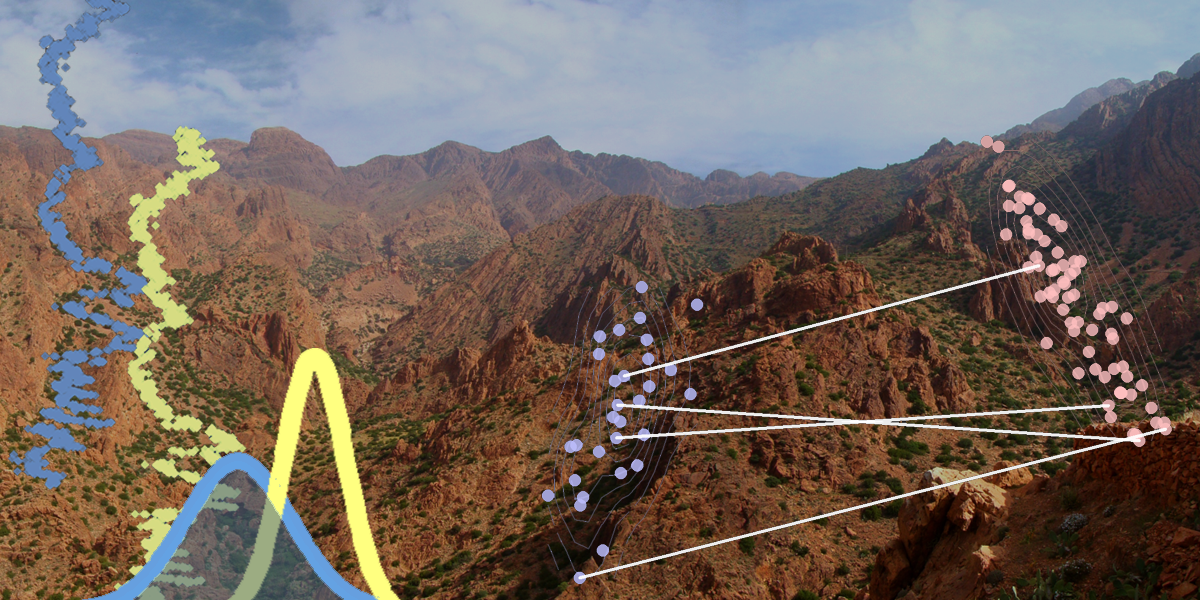
The StratoBayes team combines decades of scientific expertise with technology commercialisation. We have built probabilistic AI software for stratigraphic correlation and subsurface interpretation that helps geologists move from manual, visual correlation to transparent, uncertainty-aware models. This supports better technical and commercial decisions that can save millions of pounds and many tonnes of carbon.
Our background
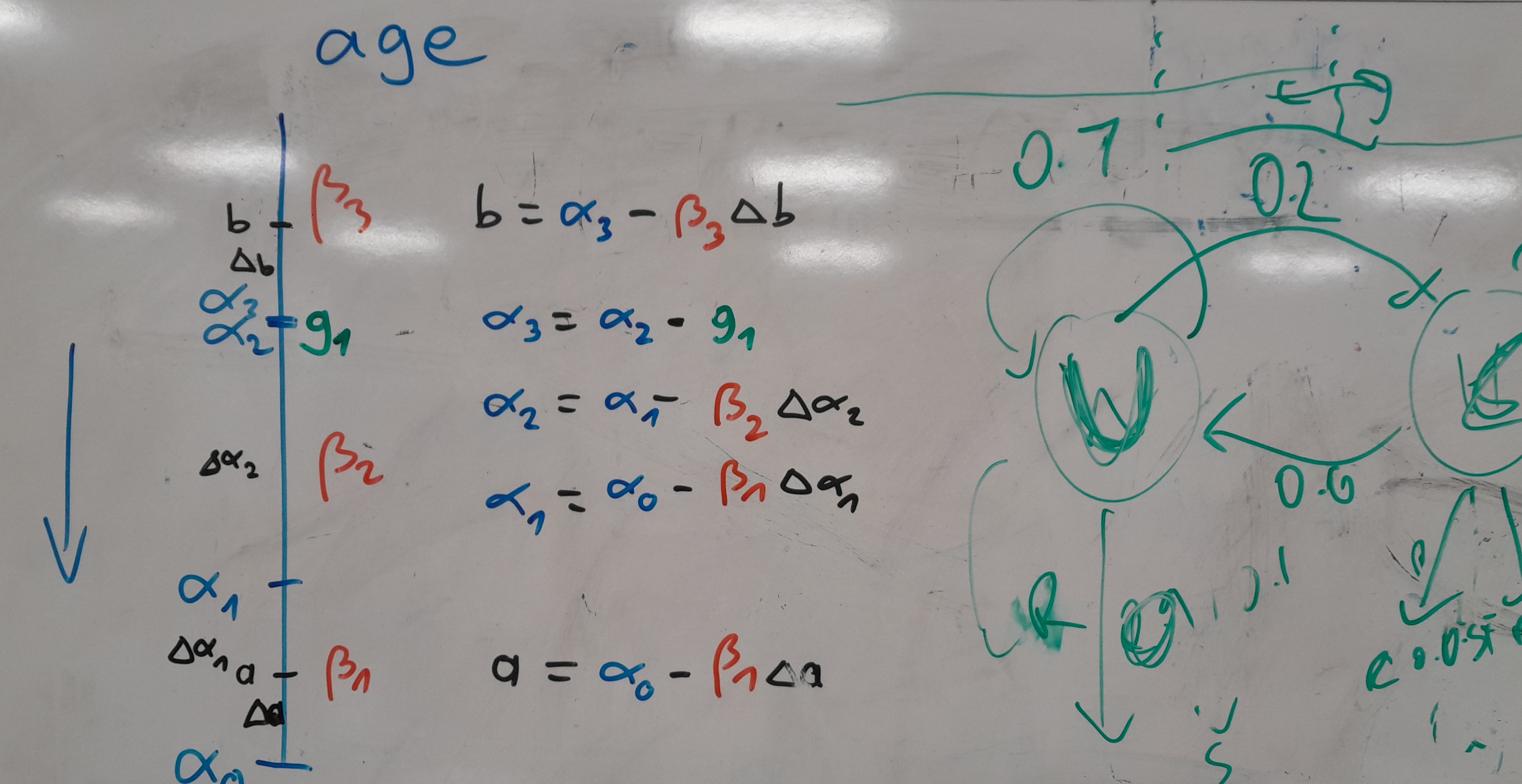
The technology behind StratoBayes was developed through academic research at Durham University, at the intersection of stratigraphy, archaeology, palaeontology and statistical modelling. It is protected by an international patent application published as WO 2025/196391 A1, with the UK patent confirmed to grant in September 2026, and is exclusively licensed to StratoBayes. StratoBayes completed its spin-out from Durham University in June 2026, and the software is in use with industry, shaped by feedback from practitioners and researchers.
What we believe
Accounting for risk and uncertainty is essential, and it is missing from existing correlation tools. Geological expertise can be formalised to build better models. Automation and expert judgement are complementary. Better subsurface decisions require better models.
The Team
We have a unique combination of stratigraphic expertise, probabilistic modelling, software engineering, and early-stage venture experience.

Dr Kilian Eichenseer
CEO, Co-Inventor

Ed Bartlett MSc
Non-Exec
Prof Martin Smith
Operations & Product, Co-Inventor
Prof Andrew Millard
Modelling, Co-Inventor